This year, the community practicum placement I was lucky enough to be assigned was with The Future Design School. This company was created and is run by a team of educators with a different pedagogy for how students are taught and engage with their learning using project based learning. The Future Design School team works closely with independent schools in Canada and the U.S to run workshops with both teachers and students to support strategic initiatives around leveraging design thinking as a tool for problem solving. The Future Design School runs professional development pr
ograms for teachers to support their implementation of these “future ready” skills into their classrooms and onto their students. While reading the Jenkins article Confronting the Challenges of Participatory Culture: Media Education for the 21st Century it became evident that many of The Future Design School’s teaching philosophies were present. As Jenkins writes, “A participatory culture is a culture with relatively low barriers to artistic expression and civic engagement, strong support for creating and sharing one’s creations, and some type of informal mentorship whereby what is known by the most experienced is passed along to novices” (Pg3). During Future Design School workshops that I have experienced, students are provided with activities to brainstorm real world issues that they are passionate about solving usually on a global scale. These ideas are workshopped and discussed further as students then brianstorm smaller scale contributions they could make or create to solve this big world issue. These smaller scale contributions are then workshopped into an action plan on what the student can do to or what the student can create to help this issue be resolved in their community, city, province, country, world. The Future Design School works with these students to create an app dedicated to their desired project. These action plans are implemented and students work towards making significant contributions to social, environmental and world issues they are passionate about with their individual projects. Within these projects, the participatory culture of this project based learning encourages student voice with relatively no barriers on their potential to solve these world issues they are passionate about. Their civic engagement is encouraged and supported by their teachers while remaining in control of their own projects and taken seriously as entrepreneurs. As Jenkins further explains, “Participatory culture shifts the focus of literacy from one of individual expression to community involvement” (Pg 4). The Future Design School advocates for the connection between learning and the real world supporting student “voice, choice and engagement”. The Jenkins article explains how “The new literacies almost all involve social skills developed through collaboration and networking” and these new skills are very much present within the student’s projects. The students experience play as they experiment with their surroundings to see what needs attention and change this includes providing students with cameras and encouraging them to photograph their community/school to see what problems they can find that spark inspiration for change. Students have previously photographed vandalized statues or graffitied walls, abundance of litter, obstacles in the environment which people with impairments cannot navigate. Students then problem solve ways they plan to change this. Students experience appropriation as they research other ways people are making a difference and how they can make it their own and relative to their problem/project. Some experience Collective Intelligence as they collaborate and share ideas with other students in the class. Transmedia Navigation occurred when students remained informed on their bigger world issues and updates in the field using various mediums of information. Many new multiliteracy skills are learned within this form of participatory culture of project based learning that the students otherwise would not experience in the same capacity. The workshops I have attended have been an eye opening experience as I witnessed students’ confidence develop as their passion and interests were taken seriously despite being students and not being experts on the subject. Student’s personal ethics were strengthened as they felt strongly about their desired subjects and whether it was fundamentally right or wrong and students’ sense of identity developed as they were active participants in contemporary culture with their voice being heard. These examples of personalized learning provides students with agency and autonomy in the learning process while filling the gap between students’ learning, and the support they need to succeed in a way that makes sense to their interests.
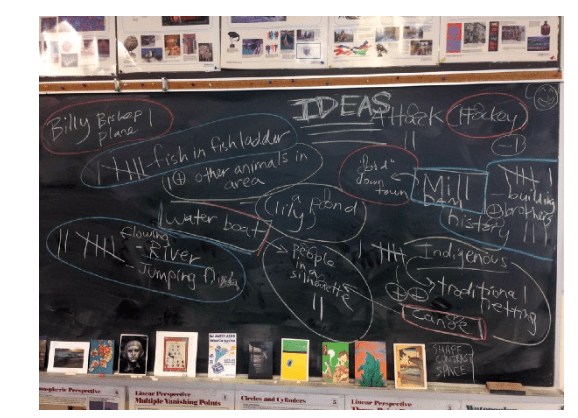
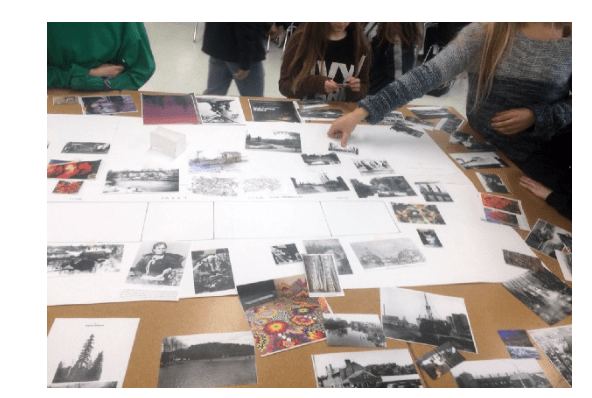
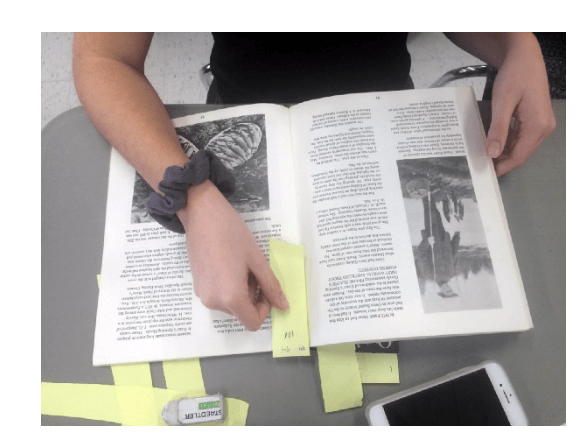
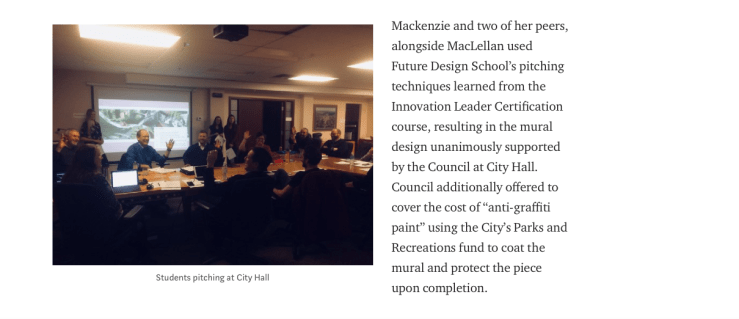
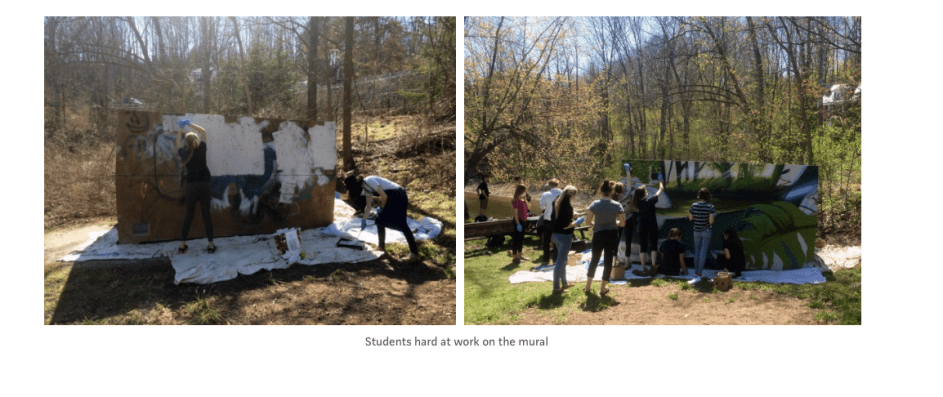
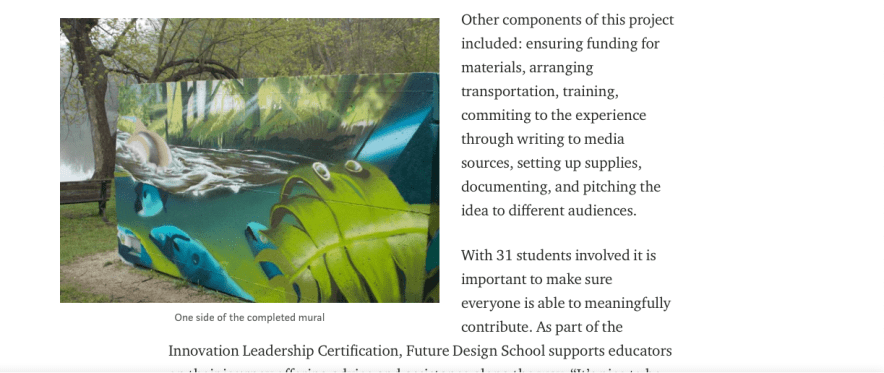
Other components of this project included: ensuring funding for materials, arranging transportation, training, commiting to the experience through writing to media sources, setting up supplies, documenting, and pitching the idea to different audiences.
all photos from https://blog.futuredesignschool.com
 New Media Literacies and Culture